Showing posts with label Education. Show all posts

Sunday, 6 October 2024

Human Rights and Theater Communication in Post-war Sri Lanka


Thevanayagam Thevananth

HUMAN RIGHTS EDUCATION IN ASIA-PACIFIC · VOLUME 10, 2020


The Sri Lankan Minority Tamils are living in an environment where their right to freedom of expression is denied. This situation was at its worst during the 2005–2015 war period. Although there was a little improvement in the situation after regime change due to the presidential election held on the 8 January 2015, the structures, practices, and attitudes left behind by the former government continued. In 2019, the political party of the former government came back to power only with majority Sinhala voters. The opportunities for free exchange of ideas remained limited. The state stringency that prevailed for more than a decade made the traditional exchange and expression of ideas normally found among the people extinct. In particular, all opportunities for gathering at the village esplanade, temples, playgrounds, and cultural events were hindered by state stringency. Places where people congregate were subjected to surveillance. Voices critical of the state were monitored by state agents. Hence, congregating and exchanging ideas have become filled with fear. People avoid gathering together because of this situation, where everyone was suspicious of the other. In addition, people who criticized the government were threatened with violence to create an overt fear psychosis. Some people suffered this violence, such as when waste oil was thrown on houses. Fear of death began to dwell in each person as unidentified persons “move around.” Even today, freedom of expression in Sri Lanka requires a more conducive atmosphere. The fear of monitoring by state intelligence officers or unidentified persons persists. As a result, every individual learned to live with some sort of self-censorship. This situation caused a sort of stagnation, including the environment for artistic creation.

For Full Text click this link 

Human Rights and Theater Communication in Post-war Sri Lanka

Wednesday, 15 March 2023

Once divided, two Sri Lankan alumni make peace

 The first encounters between two classmates in the Rotary Peace and Conflict Studies program were anything but cordial.

From July through September 2006, Raveendra Pathiranage and Thevananth Thevanayagam participated in the program's inaugural session at Chulalongkorn University in Bangkok, Thailand. For weeks, they argued about the long-standing conflict in their native Sri Lanka.

"But we talked about our problems and gradually understood each other," says Thevanayagam, program manager for the Tamil Refugees Rehabilitation Organization in Sri Lanka, who was sponsored by the Rotary Club of Jaffna, Northern Province. The agency provides food, shelter, rehabilitation, and other assistance to displaced Tamil refugees.

"We erased the hard feelings and went on to What can we do to solve the problem? What can we contribute?" says Pathiranage, senior state counsel in the attorney general's office in Sri Lanka, who was sponsored by District 3220.

He was especially moved by Thevanayagam's stories of children who had been orphaned or couldn't go to school. In November, when conflict forced the main road into the Jaffna peninsula to close, Pathiranage asked, "Theva, can I do anything?"

Thevanayagam explained that the region was barely surviving on twice-monthly dry rations and many people, including his two young children and the rest of his family, were suffering from Chikungunya, a disease that causes high fevers, rashes, and joint pain. Pathiranage used some of his personal connections to get a month's supply of dry milk and medicine to Thevanayagam for his family.

In June, the two men traveled together to the first Rotary World Peace Symposium in Salt Lake City, Utah, USA, held just before the 2007 RI Convention, to see their former classmates.

"The link between myself and Theva will be very important in the future to discuss the peace-related issues [in Sri Lanka]," says Pathiranage, who sees a direct connection between what he learned in the Rotary Peace and Conflict Studies program and his work.

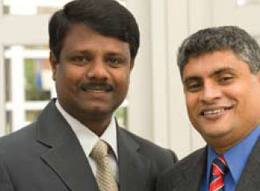
highlights the unique relationship between two Rotary Peace and Conflict Studies Program (RPCS) Alumni.

Image
Raveendra Pathiranage, senior state counsel in the attorney general's office in Sri Lanka, and Thevananth Thevanayagam, program manager for the Refugees Rehabilitation Organization in Sri Lanka providing food, shelter, rehabilitation, and other assistance to Tamil refugees, found themselves unlikely classmates in the inaugural session of the RPCS Program.  After arguing incessantly, the two formed a strong bond, united in a desire to bring peace to their homeland.  "We erased the hard feelings and went on to ‘What can we do to solve the problem? What can we contribute?'" said Pathiranage. The two remain close friends even a year after completing the three-month program, which Pathiranage describes as more useful than a year's worth of graduate study. Every minute of every day somewhere in the world our Rotary Foundation is making a difference in someone’s life.

Thursday, 17 March 2022

Narratives for Research : Methods & Methodologies


யாழ்ப்பாண விஞ்ஞானச் சங்கம் - சமூக விஞ்ஞானப்பரிவு

சமூக, பண்பாட்டு ஆய்வுகள் 

யாழ்ப்பாண விஞ்ஞர்னச் சங்கத்தின் சமூக விஞ்ஞானப்பிரிவு ஒழுங்கு செய்து நடத்துகின்ற 'சமூக பண்பாட்டு ஆய்வுகள் என்ற தலைப்பிலான ஆய்வுக்கருத்தரங்கின் இரண்டாம் அமர்வு எதிர்வரும் 17.03.2022 அன்று மாலை 7.30 மணிக்கு இணையவழி நடைபெறும். இந்தக் கருத்தமர்வை தமிழ்நாடு மத்திய பல்கலைக்கழகத்தின் தொடர்பியல் துறைப் பேராசிரியர் கோ.இரவீந்திரனவர்கள் வளவாளராகவிருந்து வழிநடத்துகின்றார். இந்த கருத்தமர்வில் ஆய்வு முறையியல்சார்ந்த விடயங்கள் பேசப்படுவதோடு ஆய்வில் ஈடுபடுபவர்கள் அது விடயமாக உரையாடி உரிய வழிப்படுத்தலைப் பெறும் வாய்ப்புமுள்ளது. இந்த நிகழ்வை 2022/2023 ஆண்டின் சமூக விஞ்ஞர்னப்பிரிவின் தலைவர் தேவநாயகம் தேவானந்த் தலைமையேற்று நடத்துவார். 

Sunday, 13 March 2022

சமூக, பண்பாட்டு ஆய்வுகள்


Very very useful webinar.Prof.Ravindran is very talented and eminent scholar.He has shared many ideas with his research experiences.Thank you very much Thevananth Sir&Janani Miss.You gave me a nice  opportunity to share my ideas & feelings. I hope that I'll do my best in the research field for the betterment of our society with you.

- Dr. Y.Veeramankai 


யாழ்ப்பாண விஞ்ஞானச் சங்கத்தின் சமூக விங்ஞானப்பிரிவினர் மாவட்டம் சார்ந்த ஆய்வுகளை ஊக்குவிக்கும் நோக்கில் தேர்ந்தெடுக்கப்பட்ட தலைப்புக்களில் ஆய்வுகளை மேற்கொள்ளத் தீர்மானித்துள்ளனர். இதில் ஒரு குழுத்தலைவர் மற்றும் இரண்டு ஆய்வாளர்கள் அடங்கலாக மூன்று பேர் கொண்ட ஆய்வுக் குழு ஒரு தலைப்பில் ஆய்வுகளை மேற்கொள்ளும். இந்தாண்டு இறுதியில் ஆய்வு முடிவுகள் ஆய்வு மகாநாட்டில் அளிக்கை செய்யப்படும். இந்த ஆய்வுத் திட்டத்திற்கு வளவாளராக தமிழ்நாட்டின்  (இந்தியா) மத்திய பல்கலைக்கழகத்தைச் சார்ந்த பேராசிரியர் கோ.இரவீந்திரன் வழிநடத்துவார். ஆய்வுக்குழுவினர் வாராந்தம் தங்கள் களப்பணியுத் தகவல்களை சேகரித்து ஒவ்வொரு வியாழக்கிழமையும் நடைபெறும் இணையவழிக் கலந்துரையாடலில் கலந்து கொள்வார்கள். இதில்  பாடசாலை ஆசிரியர்கள், பல்கலைக்கழக விரிவுரையாளர்கள், சமூகச்செயற்பாட்டாளர்கள் போன்ற யாரொருவரும் கலந்து கொள்ளலாம். 

Wednesday, 1 December 2021

‘Mansumantha Manier’ Drama Emphasizing the Concepts of ‘The Nation is Made by People’

‘Mansumantha Manier’ Drama Emphasizing the Concepts of ‘The Nation is Made by People’

Thevanayagam Thevananth

Head, Makkall Ithazhyal Iyakkam, Yalpanam, Sri Lankahttp://orcid.org/0000-0002-1831-7730

Abstract 

 Is in play. The play is made up of everyday life activities. The place where the action takes place is defined as the stage. Drama is the best of human language that uses verbal and physical devices to reflect life.The stage is seen as a process and is used as a tool to achieve human development goals. The stage is a way to understand the nature of aggression. This is a collaborative effort of many. It invites people there to engage in creative processes. Creativity is defined as a process by which innovation can be achieved.The platform of the oppressed emerges from the belief that the role of society in changing oppression and achieving liberation from oppression can be critically explained.But drama for social change and liberation from oppression; has been used for years. This study explores the potential dynamics of drama to achieve an ideal goal based on theatrical literature.Theatrical font intended for content analysis methodology. The forum has helped people in Jaffna, Sri Lanka to develop their problem-solving skills to eliminate oppression, empower and strategize. It used theatrical methods to break down internal and external oppression into everyday life and future challenges.This study looks at how the Mansumanthamaniyar play, produced by Jaffna University students in the mid-1980s, which saw the intensification of the Tamil liberation struggle in Sri Lanka, motivated the youth and the people towards liberation and emphasized the principle of ‘the nation became the people’.

Key  Words:  Srilankan  ethnic  conflict,  Srilankan  Tamil  Drama,  Jaffna  University Drama,  Tamil  theatre,  Jaffna  theatre,  Mansumathameniyar  Drama,  Kulanthai M.Shanmugalingam, Liberation Theater, Sri Lanka Ethnic Issue, Mansumanthamaniyar, Tamil Theater.

Friday, 4 November 2016

முற்றம் ’ : முறைசார்ந்த கல்விக்குள் ஒரு முறைசாராக் கல்விக்கூடம்


தே.தேவானந்த்
இயக்குனர்
ஊடக வளங்கள் மற்றும் பயிற்சி மையம்
யாழ்ப்பாணப் பல்கலைக்கழகம், இலங்கை.

சென்னைப்பல்கலைக்கழகம் கல்விப்புலத்தில் 150 ஆண்டுகளுக்கு மேலாக சேவையாற்றி தனக்கான அடையாளத்தோடு நிமிர்ந்து நிற்கிறது. முறைசார்ந்த கல்வியின் சிகரமாக எழுந்து நிற்கின்றது. தமிழ் பழமையின் பாரம்பரியத்தின் சிகரமாக, சென்னை மாநகரின் அடையாளமாக நிமிர்ந்து நிற்கிறது. அதற்கு அழகு சேர்ப்பது   திராவிடப்பாணியில் அமைந்த அதன் கட்டடங்கள் அதில் முத்தாய்ப்பாய் அமைந்திருப்பது மணிக்கூட்டுக் கோபுரம். அதன் கீழே முறைசார்ந்த கல்விக்குள் ஒரு முறைசாராக் கல்விக்கூடம். அது ‘முற்றம்’. 
தொடர்பியல் மற்றும் இதழியல் துறை பெற்றெடுத்;த குழந்தை. அதன் வளர்ப்புத் தந்தை பேராசிரியர் கோ.இரவீந்திரன்.
முற்றத்தில் அழகாக கோலமிடமுடியும். ஆனால்  முற்றத்தை உருவாக்குவதென்பது சற்று சிரமமானது. புhரம்பரியமாக பழம் பெருமைபேசி எழுந்து நிற்கின்ற ஒரு பல்கலைக்கழகத்தில் நியமம் தாண்டிய கல்விக்கான களத்தை திறப்பது என்பது மிகக் கடினமானது. அதற்காக பாடாய்ப்பாடுபட வேண்டும். இது ஒரு  பண்பாட்டுப் புரட்சியும் கூட. அதைச் சாத்தியமாக்குவது மிக மிகக் கடினம்.
இந்தப் பண்பாட்டு புரட்சியை ஆரம்பித்து வைத்ததில்; யாழ்ப்பாணப்பல்கைலக்கழகத்திலிருந்து வந்திருந்த நானும் இருந்திருக்கிறேன் என்பதை மீள நினைக்கின்ற போது  பேரானந்தமே!.
பேராசிரியர் கோ. இரவிந்திரன் அவர்கள் அடிக்கடி சொல்கின்ற ‘வகுப்புக்கு வெளியே வகுப்பு’ என்ற தத்துவத்தின் செயல் வடிவம் தான் ‘ முற்றம்’.
சில பேராசிரியர் தமது துறைசார்ந்த அற்புதமான தந்துவங்களை மிகவும் சிலாகித்து வகுப்பறைகளில் கற்றுக் கொடுப்பார்கள். ஆனால் அவர்களால் அதனை மாணவர்கள் தொட்டுணரக் கூடியதாக, புரிந்து கொள்ளக் கூடியதாக கொடுக்க முடியாது திணறுவார்கள். அதன் செயல் வடிவத்தை காணமுடியாதவர்களாகவும் இருப்பார்கள். இது ஒரு அபத்தமான  முரண்நிலையாக இருக்கும். ஆனால் பேராசிரியர் கோ.இரவீந்திரன் தான் விரும்பும் தான் நம்பும் தத்துவங்களை மாணவர்கள் தொட்டுணரக்கூடியதாக செயல் வடிவமாகக் கொடுக்கிறார். அதன் ஒரு பேறுதான் முற்றம் கலைக்குழு.